The Importance of Cat Microchips: Ensuring Your Pet’s Safety

Every pet owner’s greatest fear is losing their beloved companion. Cats, known for their independent and curious nature, often wander farther than expected, increasing the risk of getting lost. Fortunately, modern technology has provided an effective solution—cat microchips. These tiny devices have become a crucial part of responsible pet ownership, offering peace of mind and a higher chance of reunion if your feline goes missing.

What Is a Cat Microchip?


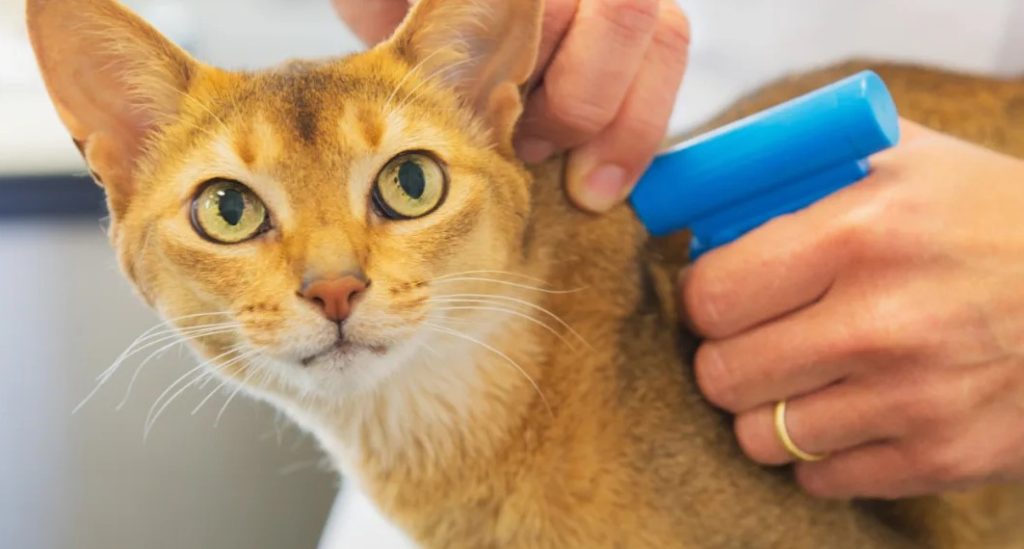
A cat microchip is a small electronic device, roughly the size of a grain of rice, implanted just beneath a cat’s skin—usually between the shoulder blades. The procedure is quick, safe, and relatively painless, similar to a standard vaccination. The microchip contains a unique identification number that can be read using a special scanner. This number links to the owner’s contact information stored in a national pet database.


Unlike collars and tags, which can fall off or be removed, microchips provide permanent identification that lasts for your cat’s lifetime.

How Cat Microchips Work


When a lost cat is found and taken to a veterinarian, shelter, or animal control center, the staff use a scanner to check for a microchip. Once detected, the ID number is entered into the pet recovery database, and the owner’s details are retrieved. This system allows for fast and reliable identification, significantly improving the chances of reuniting lost cats with their families.


It’s important to note that microchips do not have GPS tracking capability. They can’t show your cat’s real-time location but serve as a reliable identification method once your pet is found.

Benefits of Microchipping Your Cat


The benefits of microchipping go far beyond just identification. Studies show that microchipped pets are more than twice as likely to be returned home compared to those without one. For indoor cats, who may slip out unexpectedly, a microchip can mean the difference between being lost forever and a joyful reunion.


Additionally, microchips are tamper-proof and long-lasting. They don’t require batteries or maintenance, making them a one-time investment that keeps your cat protected for life.

Keeping Your Information Updated


A microchip is only as effective as the information linked to it. Pet owners must ensure that their contact details in the database are current—especially after moving or changing phone numbers. Many databases allow easy online updates, ensuring that if your cat ever goes missing, rescuers can reach you immediately.

A Responsible Choice for Pet Owners


Microchipping your cat demonstrates care and responsibility. It’s an affordable and lasting solution for identification, often costing less than a dinner out. Veterinarians recommend it as part of a cat’s standard preventive care, alongside vaccinations and regular check-ups.

In an unpredictable world, cat microchips offer security, comfort, and hope. While no pet owner wants to imagine losing their furry friend, being prepared makes all the difference. Microchipping ensures that if your cat ever strays, there’s a much greater chance of finding their way back home—where they truly belong.
Cat Microchips: A Lifelong Solution for Pet Safety

Cat Microchips: The Key to Keeping Your Feline Safe and Identified

A cat microchip is a tiny device implanted under a cat’s skin that serves as a permanent form of identification. With more pet owners embracing this technology, microchips are becoming an essential tool for reuniting lost animals with their families. This article explores what cat microchips are, how they work, and why every pet owner should consider microchipping their feline friend.

A cat microchip is a radio-frequency identification (RFID) device, about the size of a grain of rice. It is typically implanted between a cat’s shoulder blades by a veterinarian through a quick and relatively painless procedure. The chip contains a unique identification number, which is linked to the owner’s contact information in a secure database. Unlike collars and tags, which can break or be removed, microchips are permanent and stay functional for the cat’s entire life.

When a cat with a microchip is found, animal shelters, veterinarians, or rescue organizations can use a scanner to read the chip’s identification number. This number is then cross-referenced with an animal chip database to retrieve the owner’s information. If the owner’s contact details are up to date, the pet can be safely returned home.

It is important to note that cat microchips do not have GPS tracking capabilities. Instead, they act as a reliable form of identification that proves ownership and connects lost pets to their families.

Benefits of Microchipping Your Cat

  1. Increased Chance of Reunification
    Studies show that microchipped pets are significantly more likely to be reunited with their owners than those without. For outdoor cats or those prone to escaping, a microchip provides peace of mind, knowing there’s a higher chance they will make it back home if lost.
  2. Permanent Identification
    Unlike collars or tags, which can get lost or removed, a microchip stays with the cat throughout its life. This makes it a more reliable option for long-term identification.
  3. Proof of Ownership
    In disputes over ownership, especially with found or adopted pets, a registered microchip provides indisputable proof that the animal belongs to a specific person.
  4. Travel and Relocation Requirements
    Many countries and airlines require pets to have microchips for international travel. Having your cat microchipped ensures compliance with these regulations and smooths the travel process.

After microchipping your cat, it’s essential to register the microchip number in a pet microchip database with your current contact details. If you move or change your phone number, updating this information is crucial. A microchip is only as effective as the accuracy of the data connected to it.

Microchipping is a simple but powerful tool for protecting your cat. It ensures that even if your feline gets lost, the chances of being reunited are much higher. As pet microchips become more common, registering your cat in an animal chip database is a responsible step in pet ownership. With a quick procedure and minimal cost, a cat microchip offers lifelong security and peace of mind.

Cat Microchips: A Lifelong Solution for Pet Safety